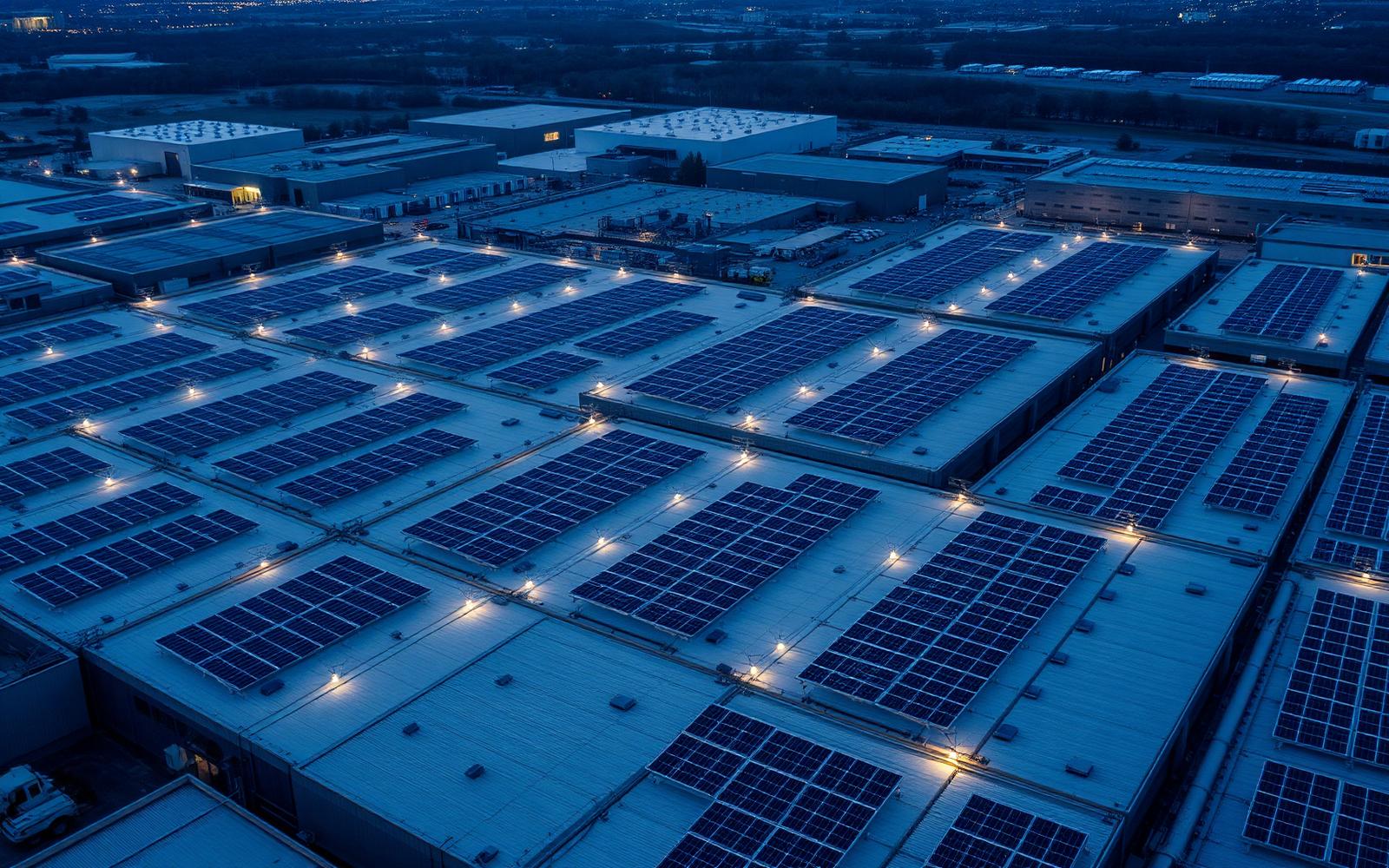
M/01
Commercial & Industrial Solar
Feasibility, incentive structuring, and site economics for C&I solar across roof-mount, ground-mount, and portfolio deployments.
Sector Coverage
Stock & Milster operates across the institutional energy and infrastructure landscape. Our intelligence framework is sector-agnostic in method and sector-specific in application.
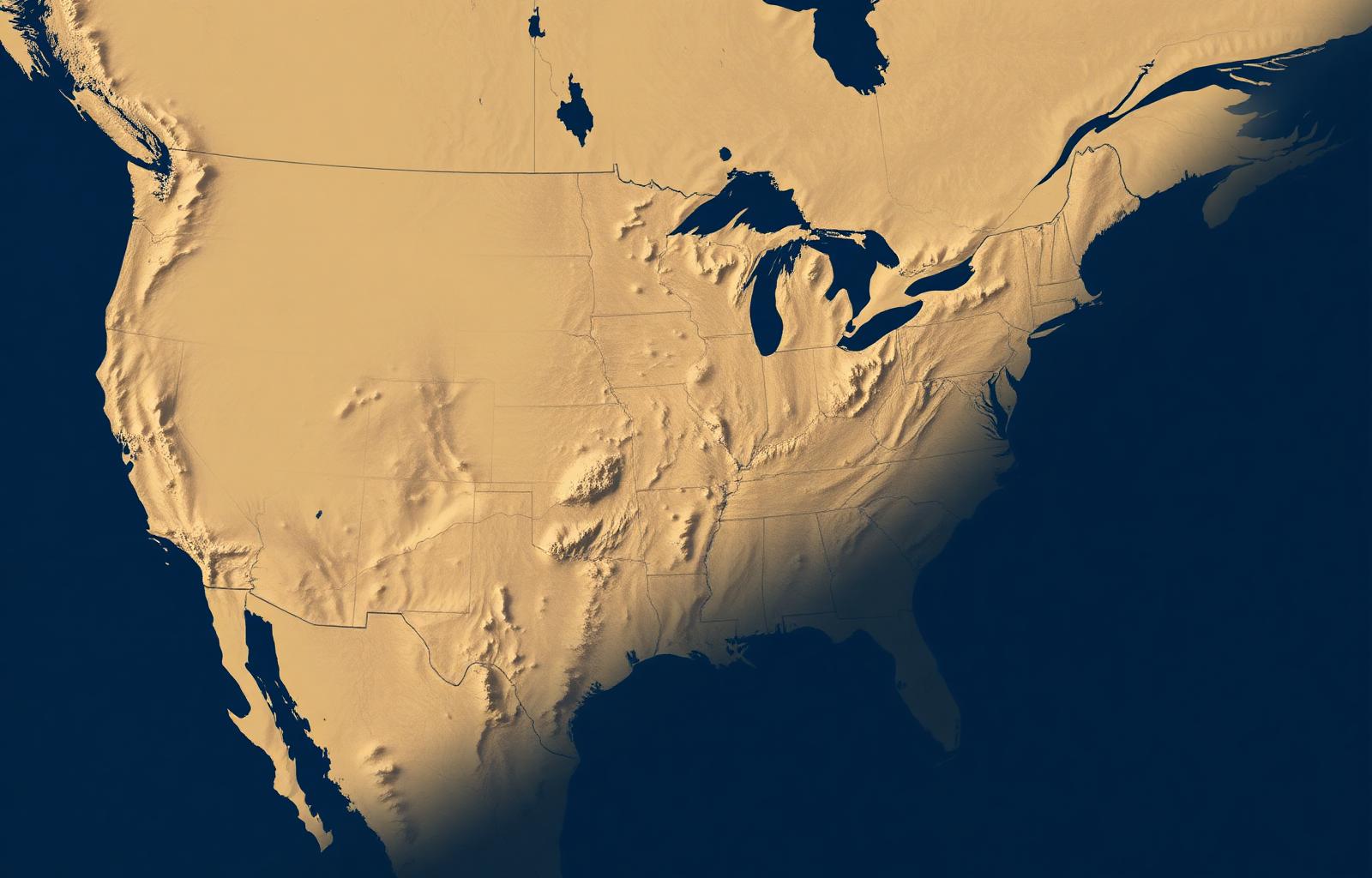
Coverage Map
M/01
Feasibility, incentive structuring, and site economics for C&I solar across roof-mount, ground-mount, and portfolio deployments.
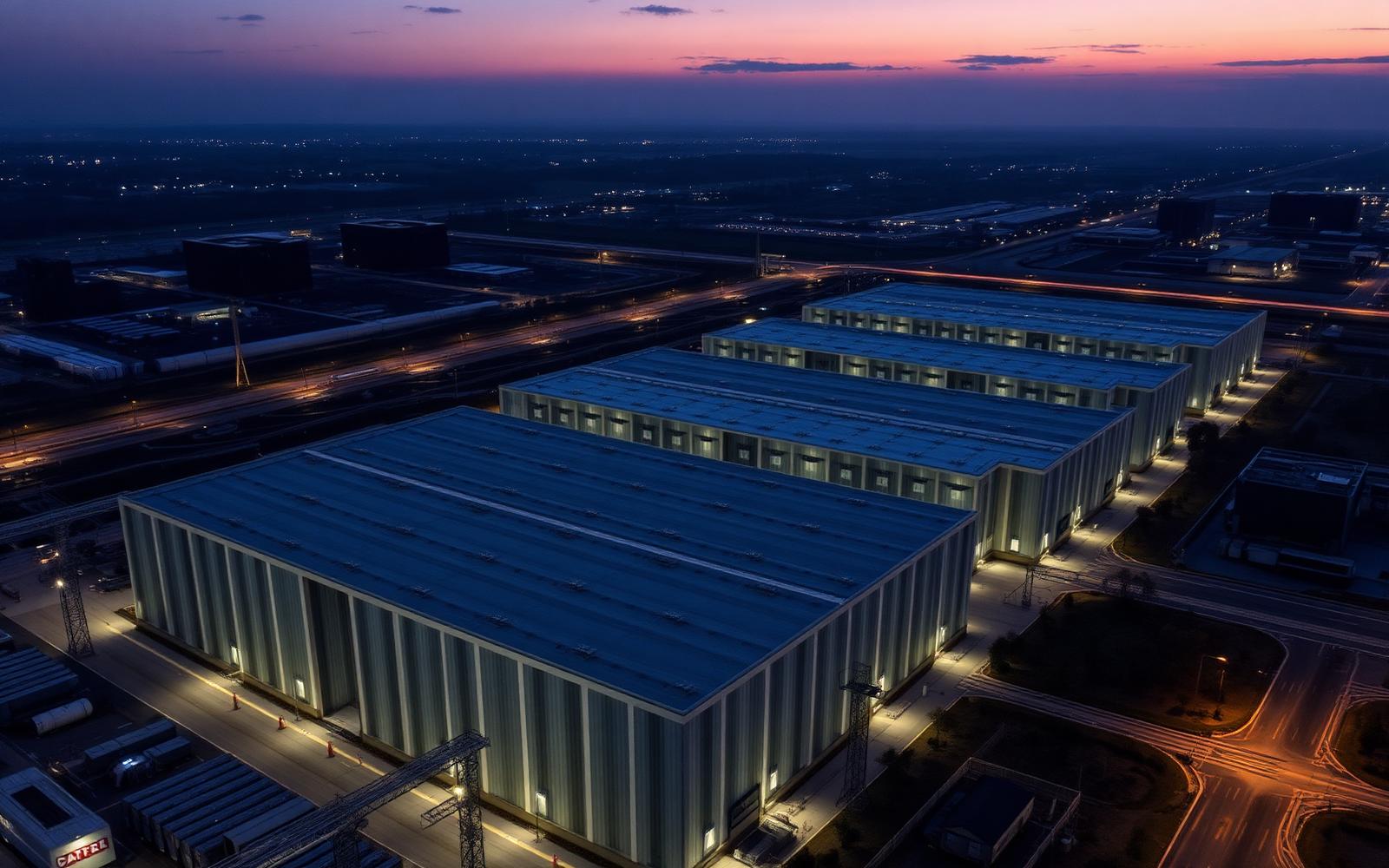
M/02
Power, land, transmission, and community readiness for hyperscale and AI compute siting decisions.

M/03
Pre-investment intelligence, market screens, and asset-level diligence support for energy and infrastructure platforms.
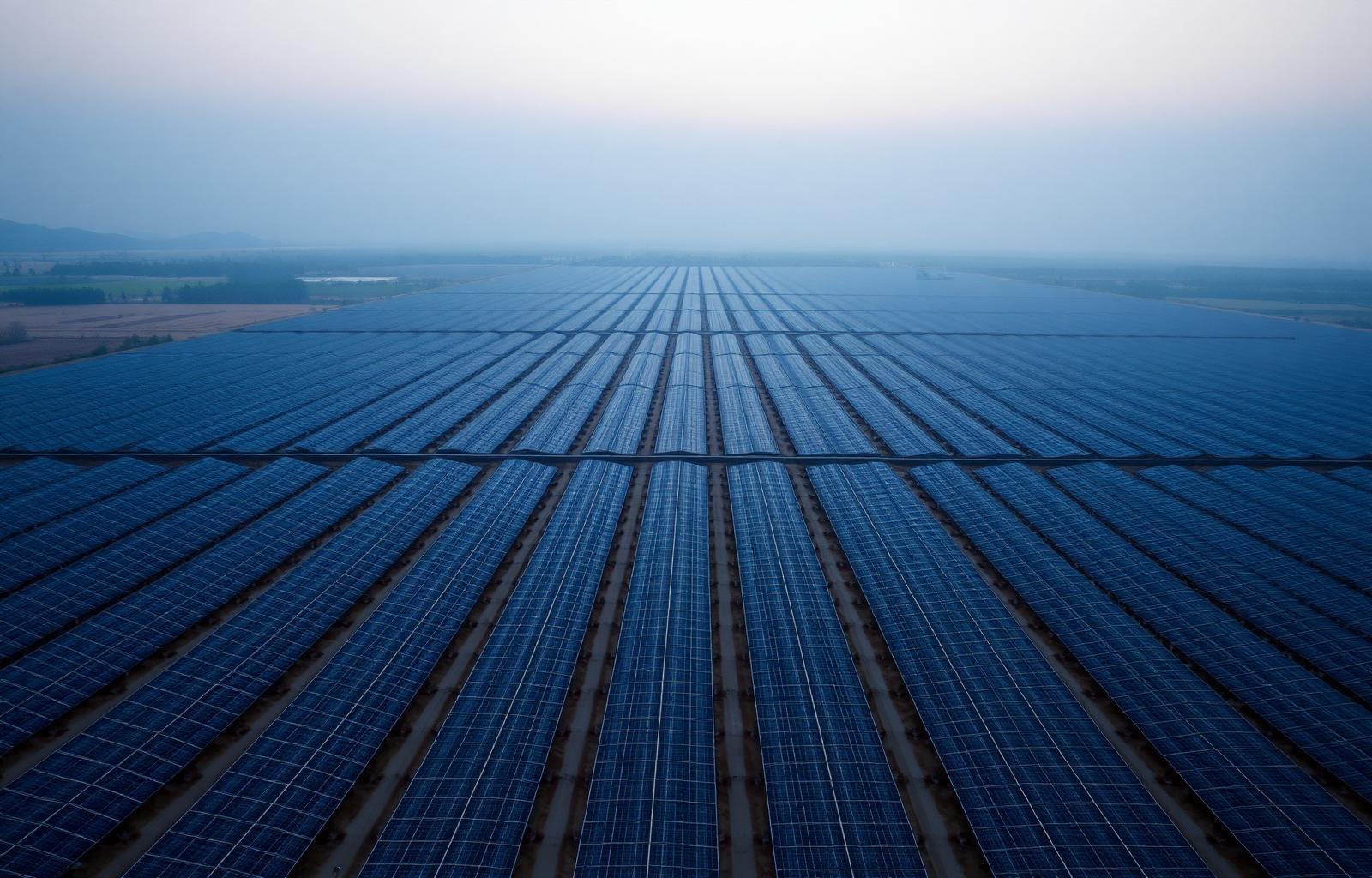
M/04
Market entry analysis, interconnection landscape, incentive geography, and community sentiment mapping.

M/05
Utility cost exposure, tariff strategy, on-site generation feasibility, and procurement posture.
M/06
Energy economics, incentive monetization, and infrastructure intelligence across multi-asset CRE portfolios.
M/07
Suitability screening, transmission proximity scoring, and sentiment overlays for acquisition pipelines.
M/08
Thesis testing, market mapping, and pipeline development across the transition capital landscape.
ISO / RTO Coverage
ISO/01
The capacity squeeze is now structural.
PJM's 13-state footprint has become the global focal point for AI-driven load growth. Capacity prices, queue reform fallout, and Northern Virginia data center expansion have collapsed historic slack.
ISO/02
The 15-state corridor for industrial reshoring.
MISO spans 15 states from the Dakotas to Louisiana. Reshoring, EV/battery manufacturing, and South region thermal retirements are driving the largest queue and the most consequential planning cycle in the country.
ISO/03
The fastest-moving grid in North America.
ERCOT operates an energy-only market with the fastest interconnection process in the US. Crypto, AI, oilfield electrification, and Permian load growth are stressing reserves and reshaping the locational pricing landscape.
ISO/04
Wind-rich, congestion-prone, expanding west.
SPP spans 14 states across the Great Plains. The Western Interconnection expansion (RTO West / Markets+) is reshaping the western grid, while wind curtailment and load pocket dynamics define the Eastern footprint.
ISO/05
Vertically integrated, capacity-tight, AI-pressured.
The Southeast operates outside an organized energy market, but is now one of the most strategically important regions in US infrastructure. Vertically integrated utilities (TVA, Southern Company, Duke, Dominion) face simultaneous AI load surge, industrial reshoring, and coal retirements — without an RTO clearinghouse to absorb the imbalance.
ISO/06
Fragmented markets, converging into something new.
The Western Interconnection has historically operated through bilateral utilities and the CAISO Western Energy Imbalance Market. The launch of EDAM (CAISO) and Markets+ (SPP) is now reshaping how 14 states transact power — with hyperscaler siting in Phoenix, Reno, and Hillsboro creating the demand-side tension.
ISO/07
Climate Act timelines meet downstate constraint geometry.
NYISO operates the most policy-constrained grid in the country. The CLCPA (Climate Leadership and Community Protection Act) requires 70% renewables by 2030 and zero-emission by 2040 — colliding with downstate transmission limits, indian point retirement aftermath, and rising New York City data center asks.
ISO/08
Winter peaking, gas-constrained, electrifying fast.
ISO-NE operates one of the only winter-peaking systems in the Lower 48. Gas pipeline constraints, offshore wind procurement, electrification of heat, and Massachusetts climate targets create a unique reliability and economic puzzle — one where every winter cold snap reprices the asset stack.
ISO/09
Duck curve to canyon: storage as the load-following resource.
CAISO has become the world's leading test case for a grid built around solar and storage. Battery dispatch now routinely sets evening LMPs. The duck curve has steepened into a canyon. And the next decade's investment thesis hinges on long-duration storage, transmission expansion, and EDAM footprint.